For Ontario customers, notary and commissioning fees generally have HST added where the provider is registered and the supply is taxable. Check your quote and invoice.
Read MoreAre Notary Services Subject to HST in Ontario?


For Ontario customers, notary and commissioning fees generally have HST added where the provider is registered and the supply is taxable. Check your quote and invoice.
Read More
Form 36 is an Ontario affidavit used in a divorce application. Learn what commissioning confirms and where to check the court’s current filing instructions.
Read More
Learn the difference between notarization and commissioning in Ontario, including certified copies, signature witnessing and remote commissioning.
Read More
A notarial certificate does not have one universal expiry date. The document itself and the receiving organization’s freshness rules determine what you can use.
Read More
Most invitation-letter requirements depend on the specific IRCC application and visa office. Check the official checklist before paying for notarization.
Read More
An Ontario will generally follows the Succession Law Reform Act’s signing and witness rules; a notary stamp alone is not the rule for making it valid.
Read More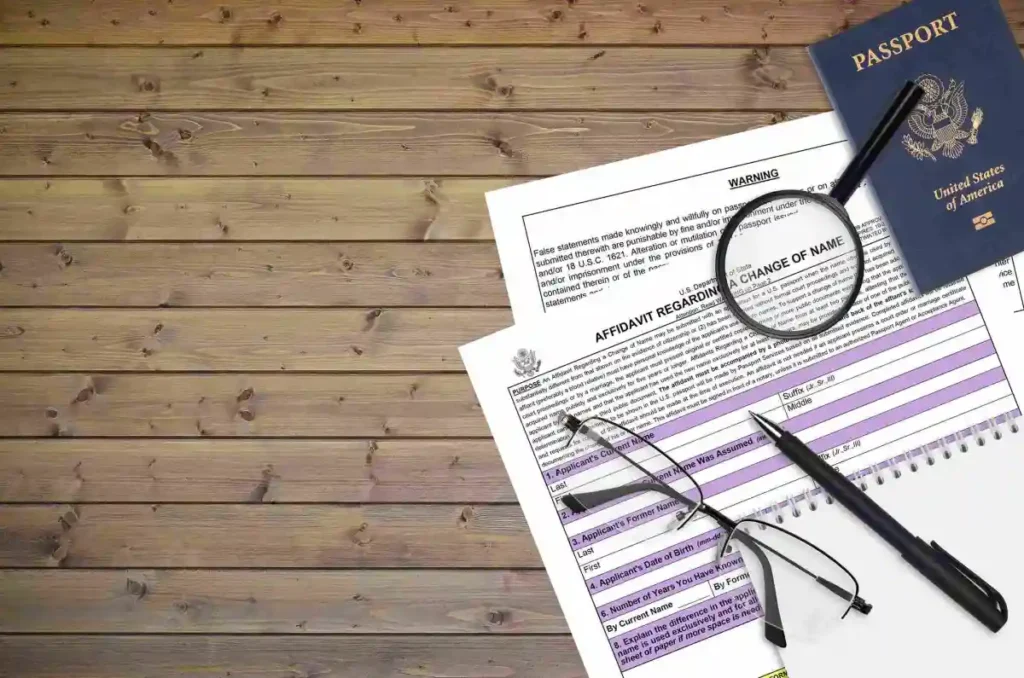
An affidavit is sworn or affirmed before an authorized commissioner or notary. A separate notarial seal is not always required; follow the recipient’s instructions.
Read More
Ontario allows remote commissioning under specific conditions, while notarization generally requires an in-person appointment. Learn which service fits your document.
Read More
An Ontario lawyer may apply to be appointed a notary, but a law licence and a notary appointment are not the same thing. Verify the service you need.
Read More